Guides
Lithops, explained without the noise.
Long-form articles on identification, the watering calendar, the molting cycle, soil composition, and the questions every Lithops grower eventually asks. Every guide is original, written by the editorial team, and reviewed against the species directory.
Identification & diagnosis
Tools for figuring out what you have and why it's doing what it's doing.
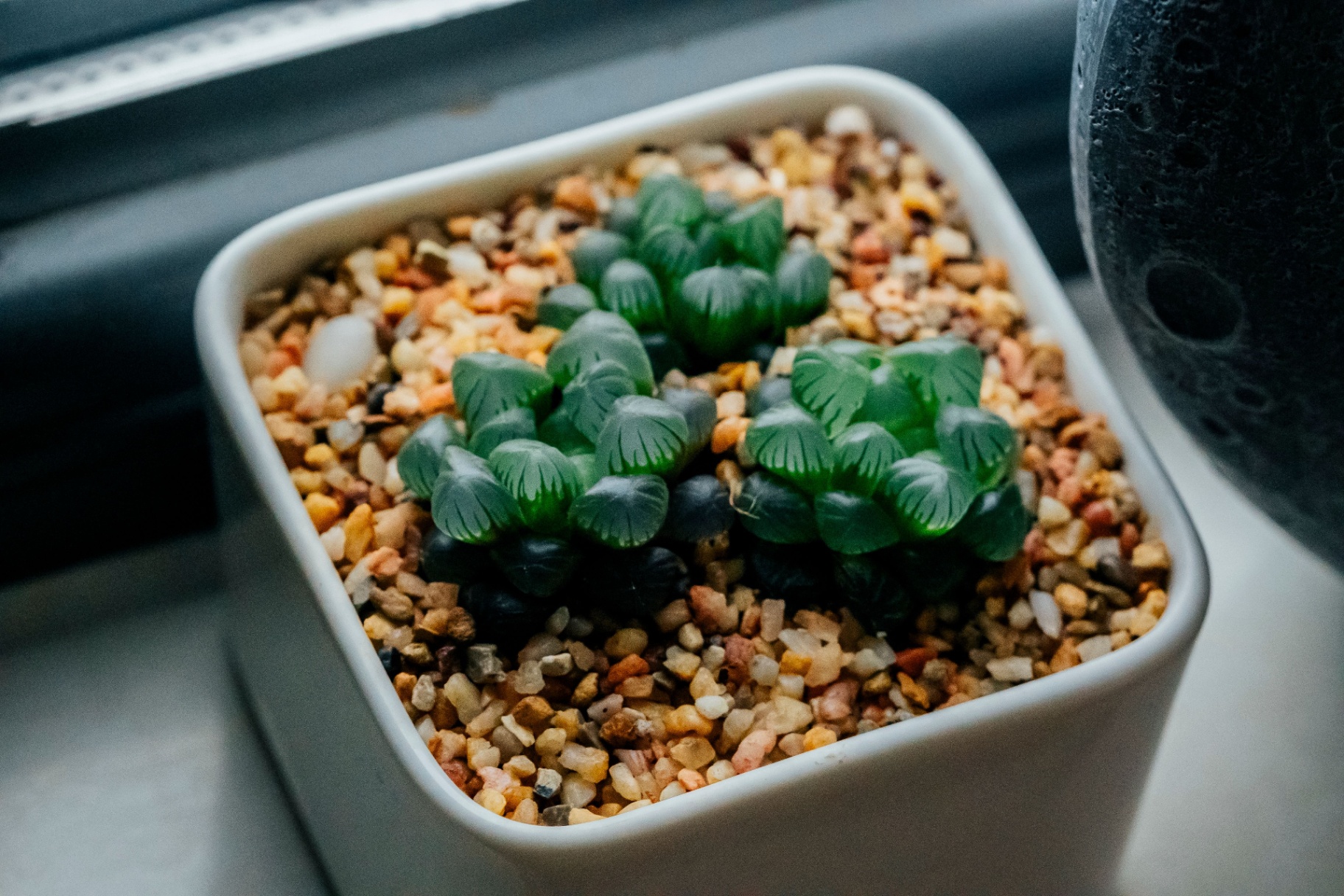
How to identify which Lithops species you have
A practical framework — window, body color, marking style, origin — that gets you from 'mystery succulent' to a confident shortlist.
Photo: Rui Wang — Pexels-License
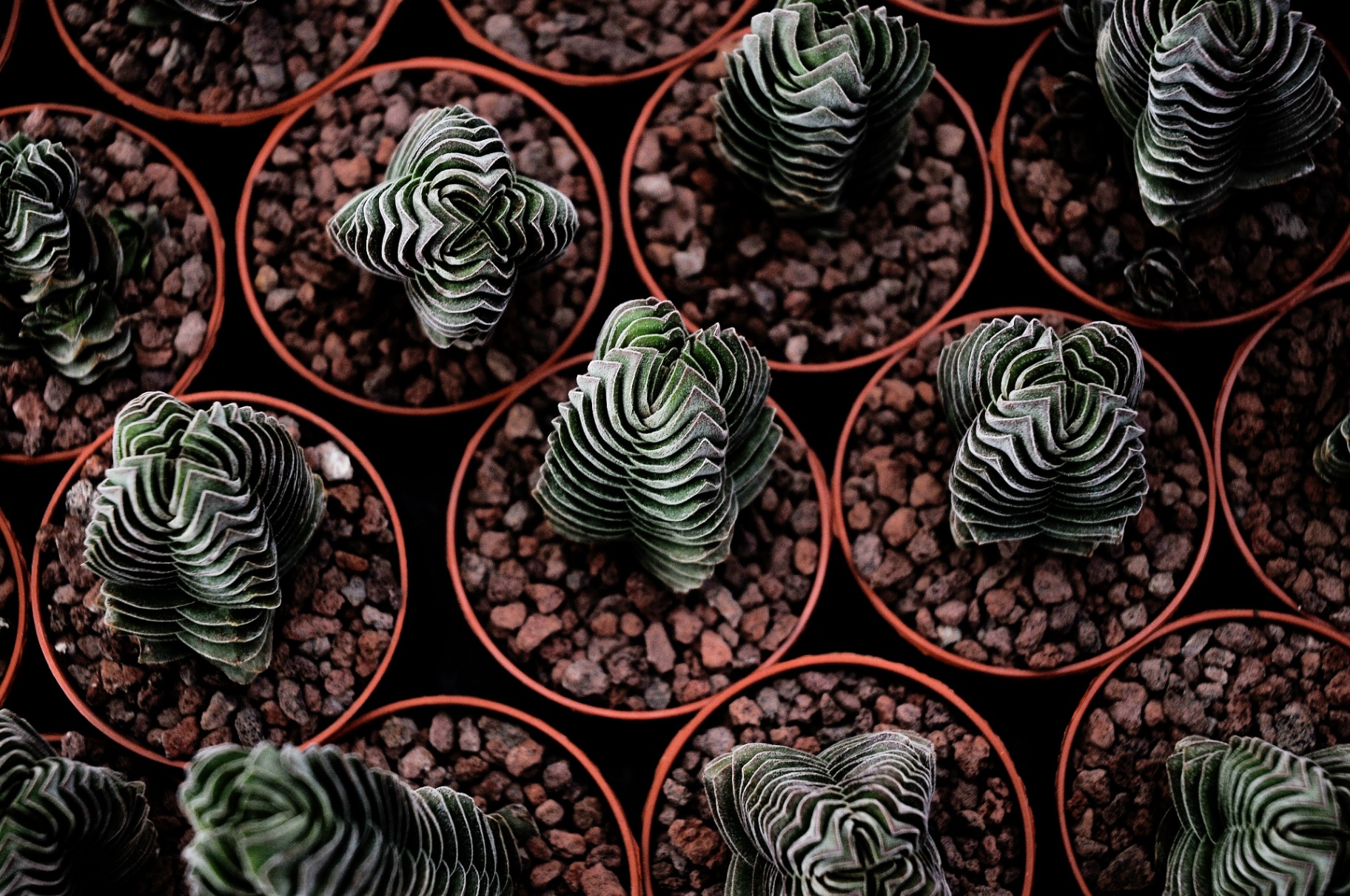
Why is my Lithops wrinkling or shriveling?
Wrinkling has three completely different causes — and the wrong response to any of them will make the plant worse, not better.
Photo: Giulia Caico — Pexels-License
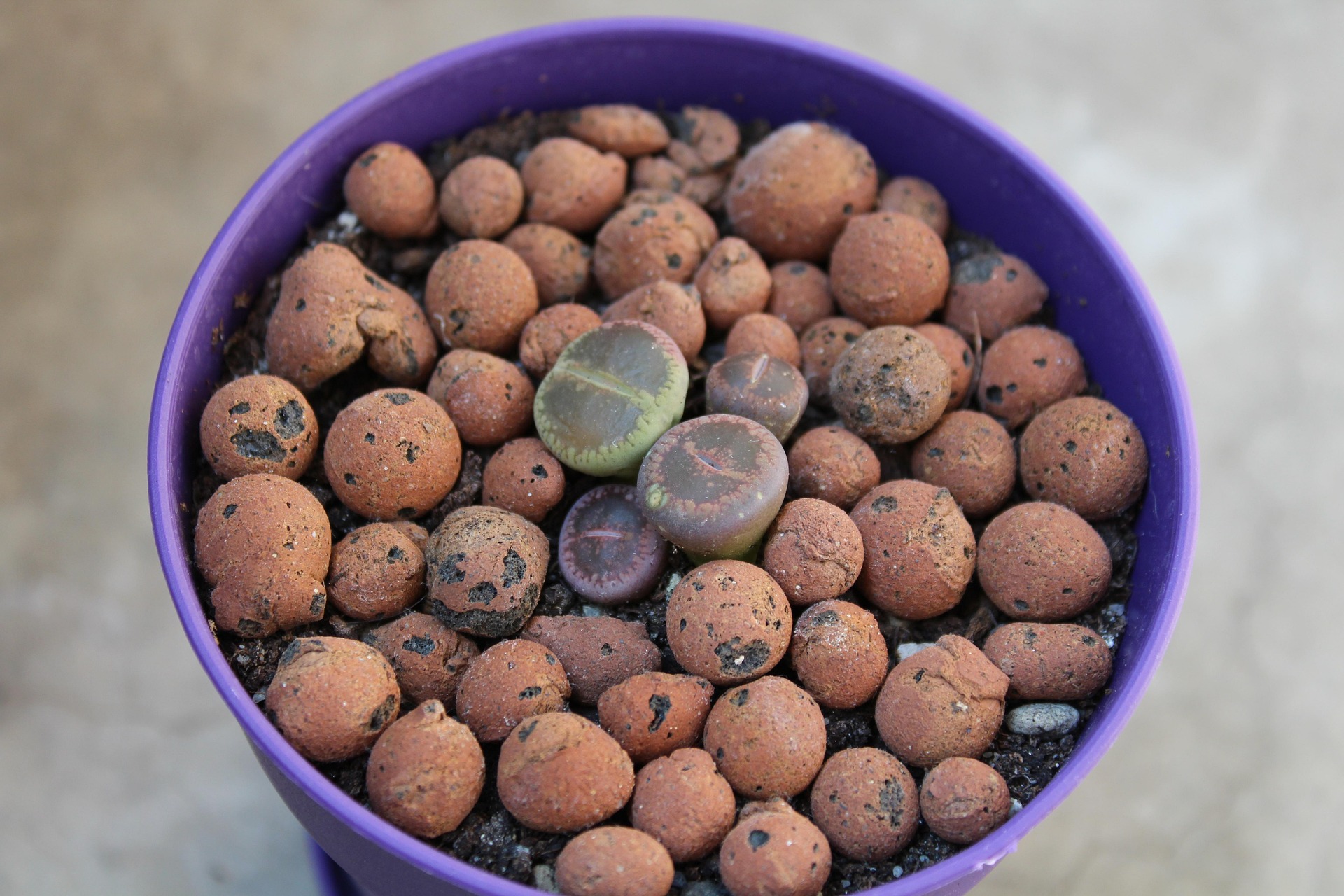
Lithops splitting at the wrong time: what irregular splitting means
Off-season splits, double splits, and unequal pairs all have specific causes — usually involving water and light at the wrong moment.
Photo: anitabozic — Pixabay-Content-License
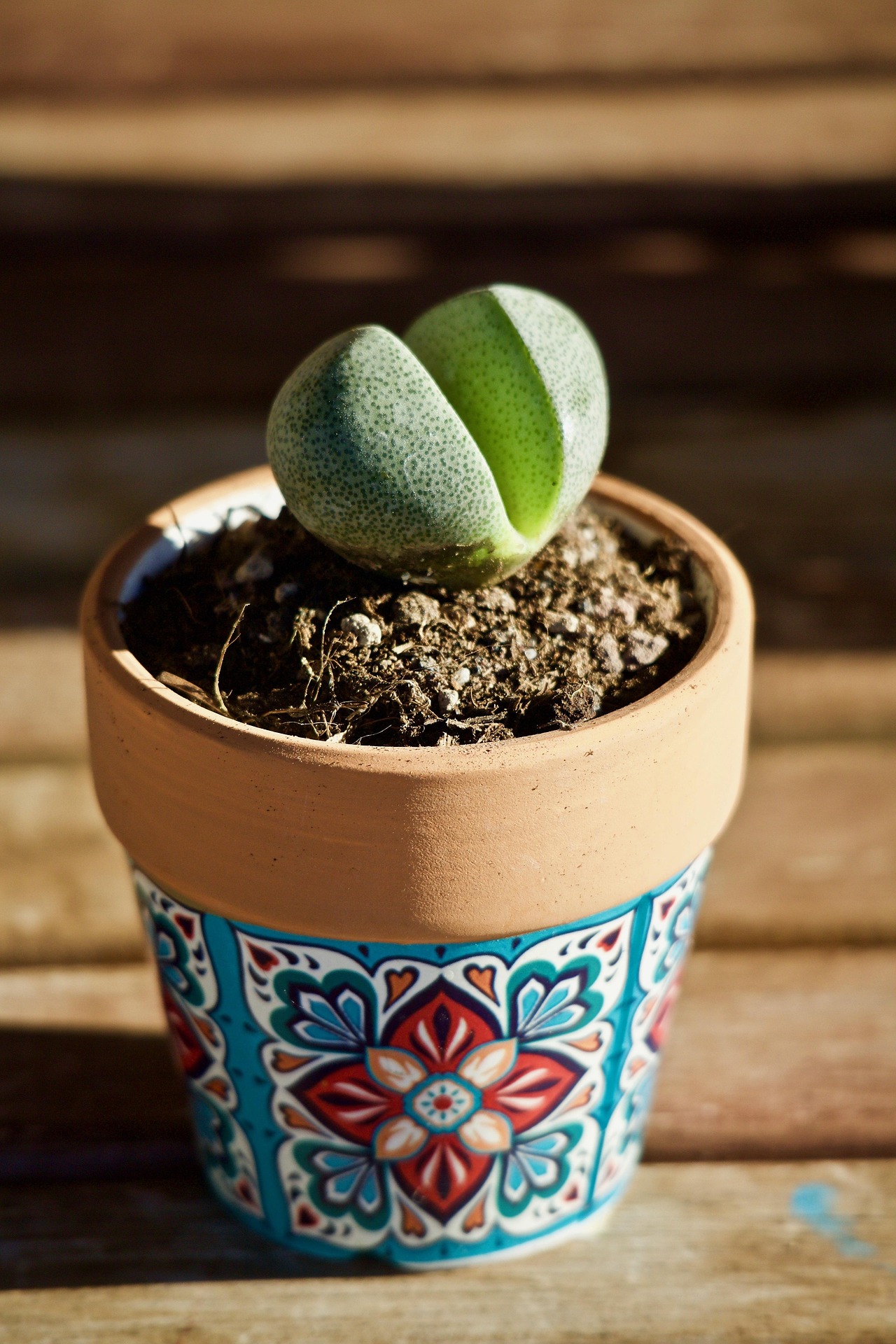
Lithops vs Pleiospilos vs Conophytum: how to tell them apart
Three genera in the same family that get confused at every garden centre. The features that separate them are unambiguous once you know where to look.
Photo: sweetlouise — Pixabay-Content-License
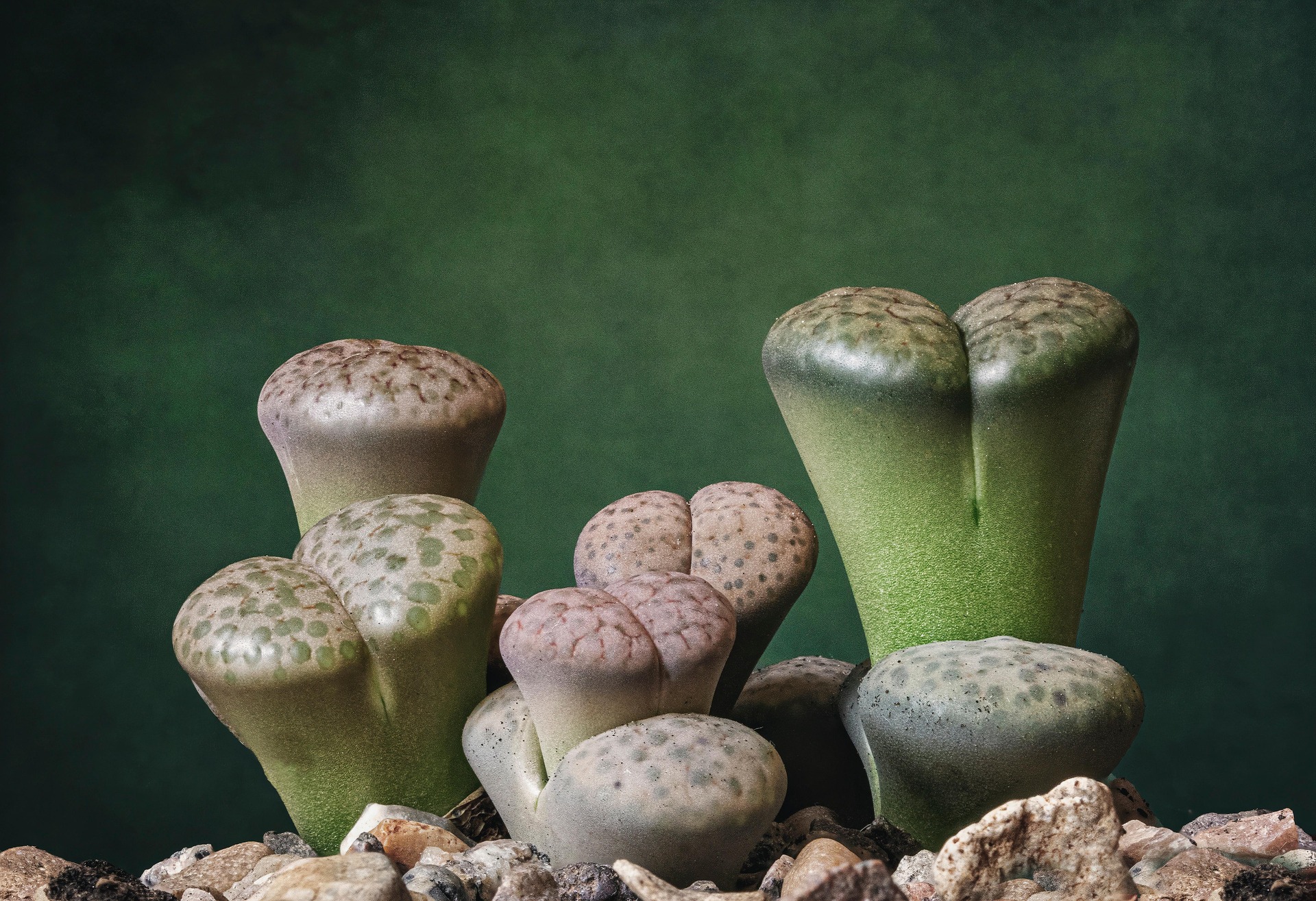
Reading C-numbers and field codes: what those cryptic Lithops labels mean
C123, MG1234, SH200 — collector labels look like nonsense until you learn the system. Here is what each prefix tells you and why it matters.
Photo: illuvis — Pixabay-Content-License
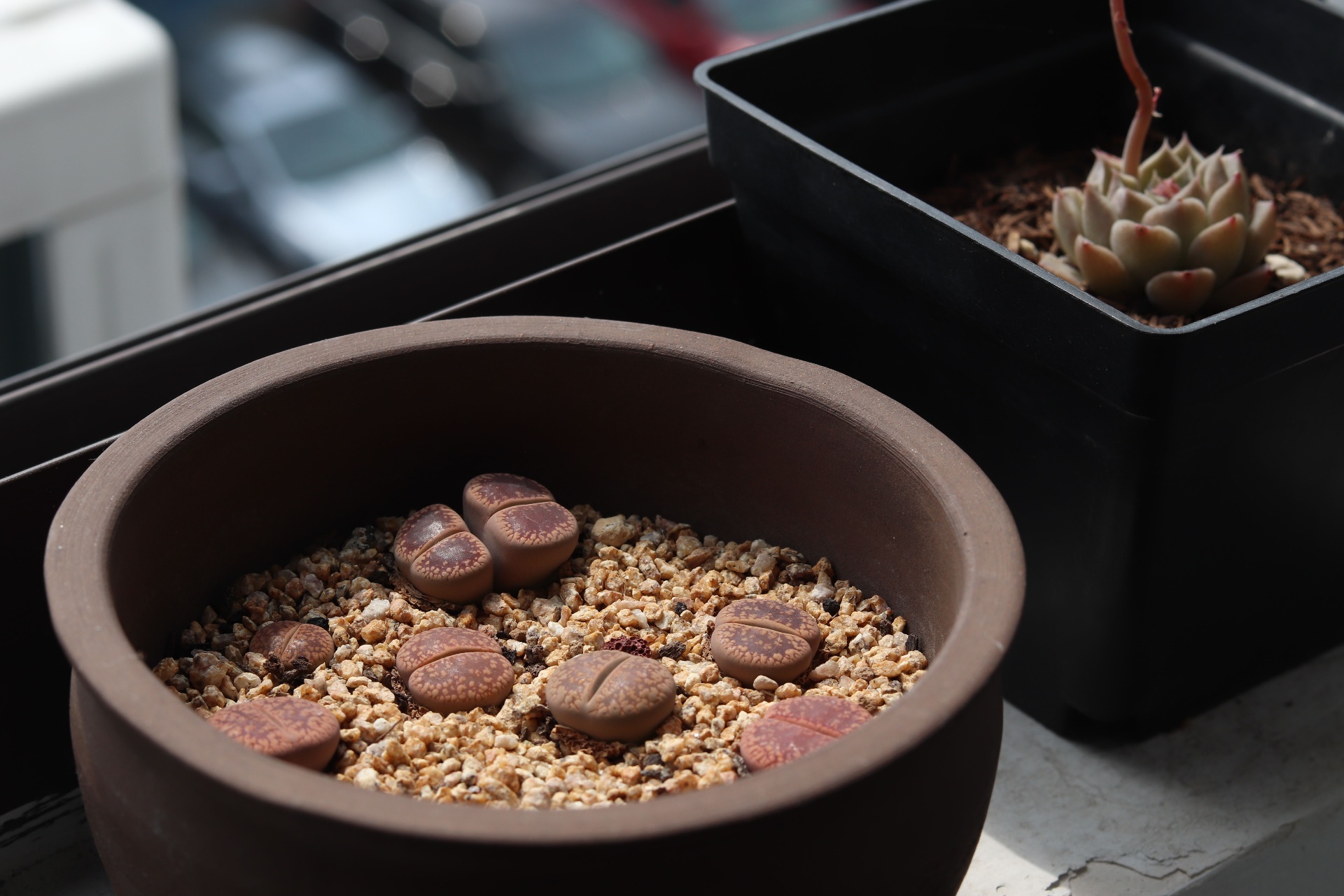
Lithops julii subspecies: telling julii apart from fulleri
The two subspecies of L. julii look similar at a glance and are routinely mislabelled. Here is the short list of features that separate them reliably.
Photo: Sasha — Pexels-License
Cultivars vs species: what 'Albinica', 'Rubra', and other quoted names mean
A name in single quotes is not a botanical rank. Knowing the difference between a cultivar and a wild form prevents the most common Lithops labelling mistakes.
Photo: anitabozic — Pixabay-Content-License
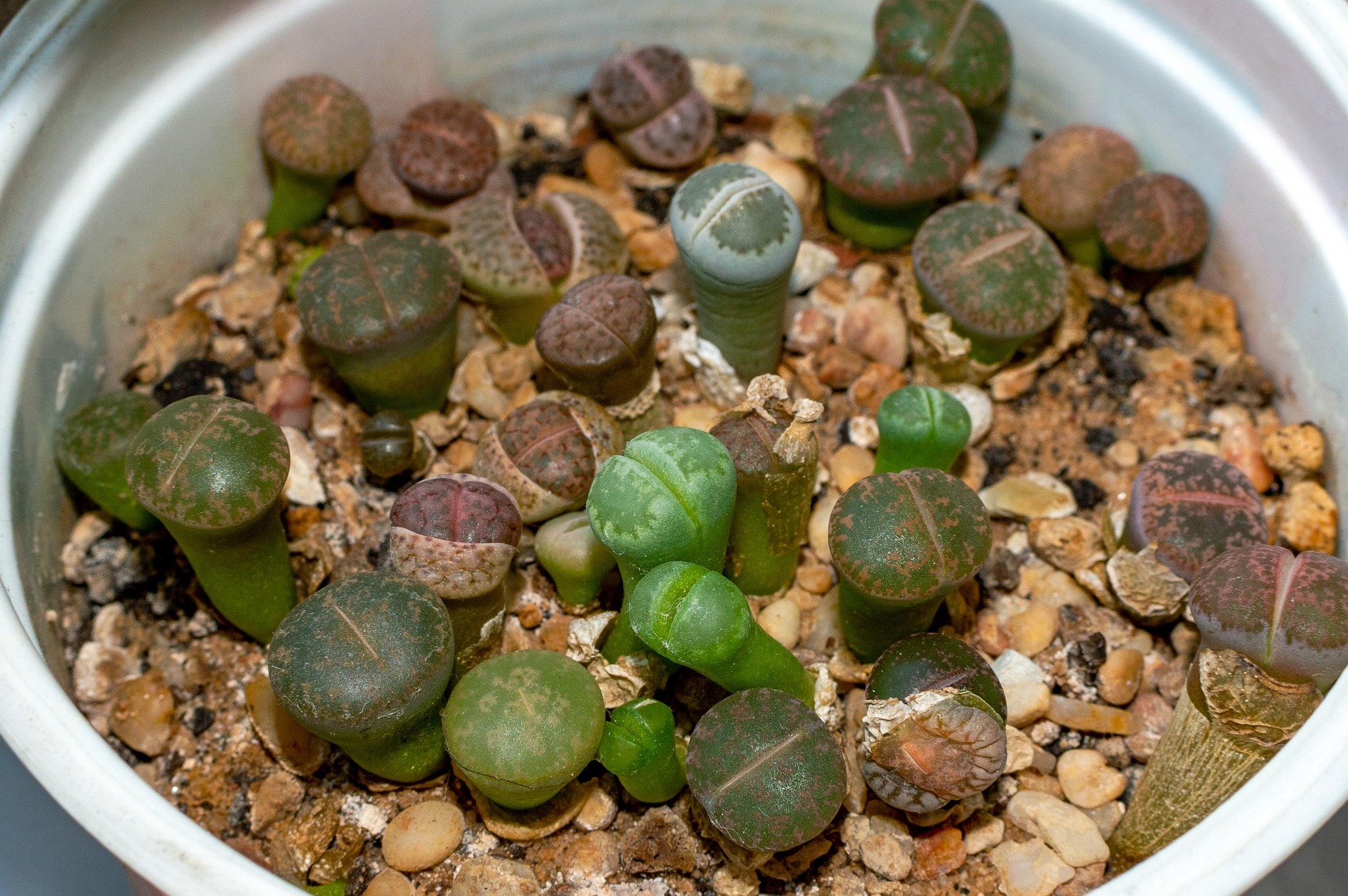
The Lithops karasmontana complex by population
L. karasmontana is one of the most variable species in the genus. A walk through the named forms — bella, lericheana, tischeri, mickbergensis — and what makes each visually distinct.
Photo: akuptsova — Pixabay-Content-License
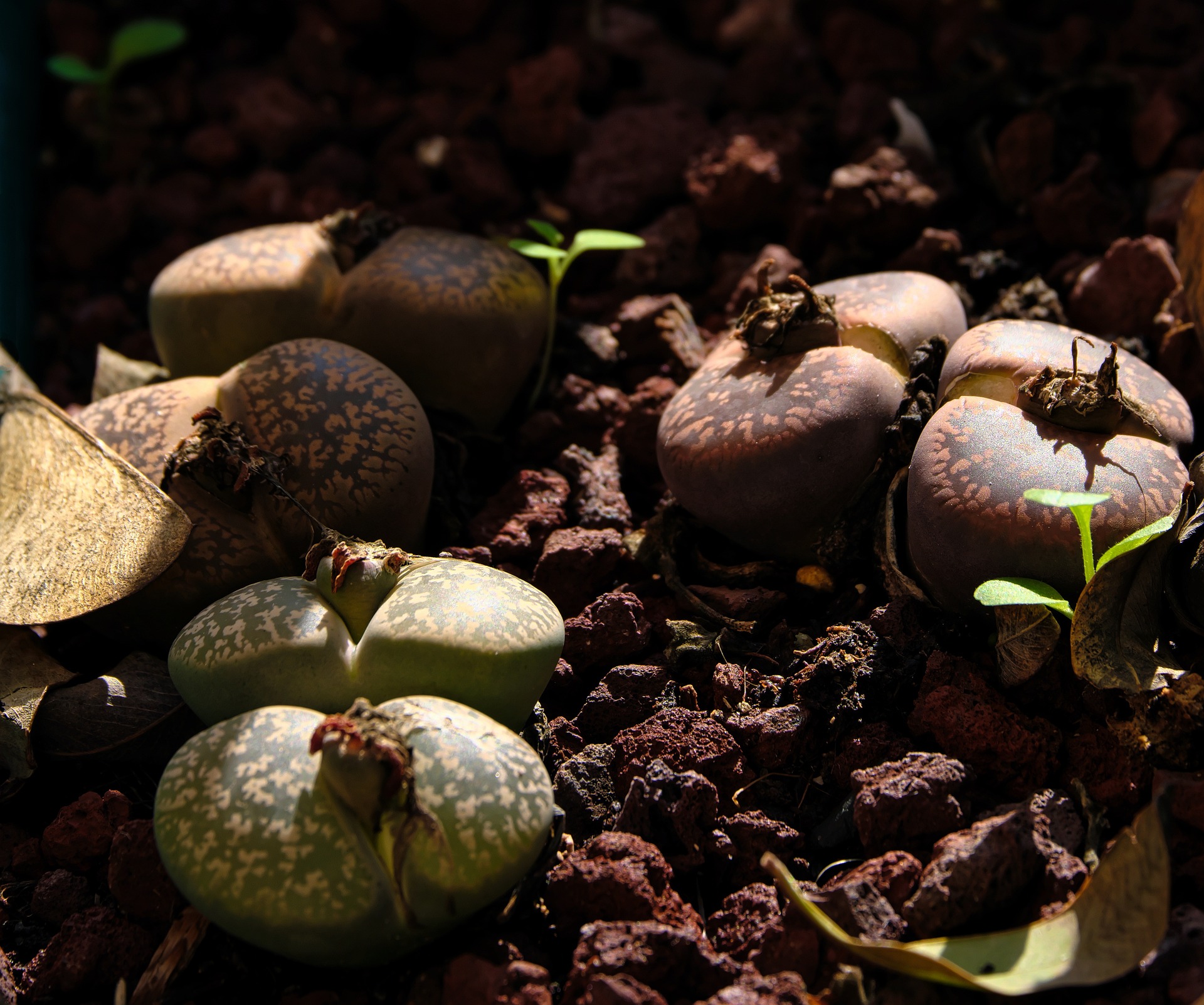
Lithops lesliei vs Lithops hookeri side by side
The two species are routinely confused because both are large, rubricated, and South African. Here is what actually separates them.
Photo: derevv — Pixabay-Content-License
Reading the cleft: window margin patterns and what they tell you
The cleft is the line where the two lobes meet. Its colour, depth, and pattern are some of the most reliable identification clues in the genus.
Photo: Rui Wang — Pexels-License
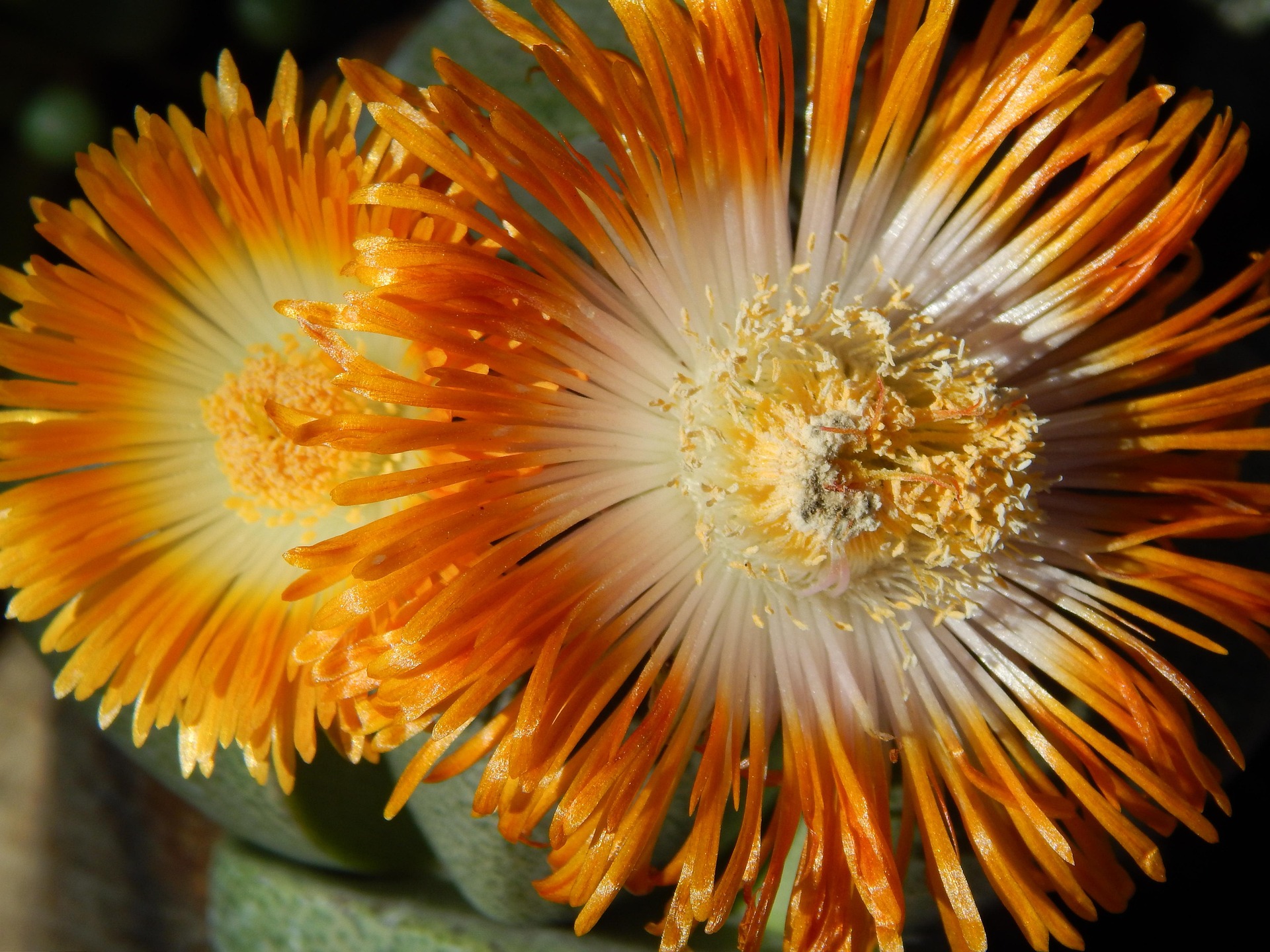
Colour shifts vs etiolation: telling stress signals apart
A paling Lithops can mean two opposite things — too much light or too little. Here is how to read the difference before you over-correct.
Photo: rayconser — Pixabay-Content-License
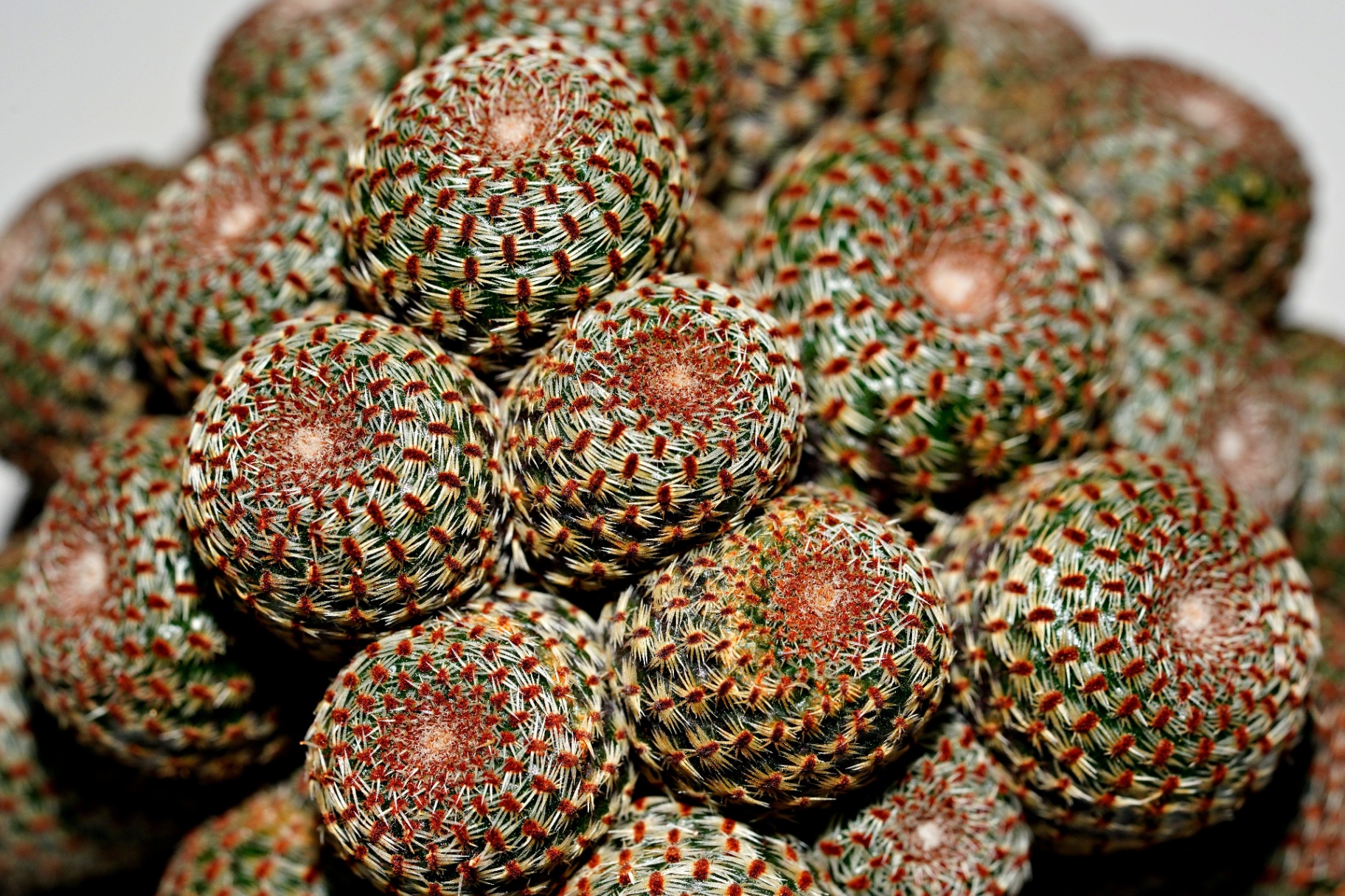
Window translucency by season: why your Lithops looks different in winter
The window is not a fixed feature. It thickens, thins, and changes contrast across the year — and the pattern is itself diagnostic information.
Photo: hartonosbg — Pexels-License
Care fundamentals
The handful of things that, if you get them right, make almost everything else easy.
The Lithops watering calendar: a season-by-season guide
Two short growing windows, two long rest periods. The watering year for Lithops is not the same as for most other succulents.
Photo: akuptsova — Pixabay-Content-License
The Lithops molting cycle, explained
Why a Lithops replaces its body every year, what's happening inside the leaves, and what you should and shouldn't do while it's happening.
Photo: derevv — Pixabay-Content-License
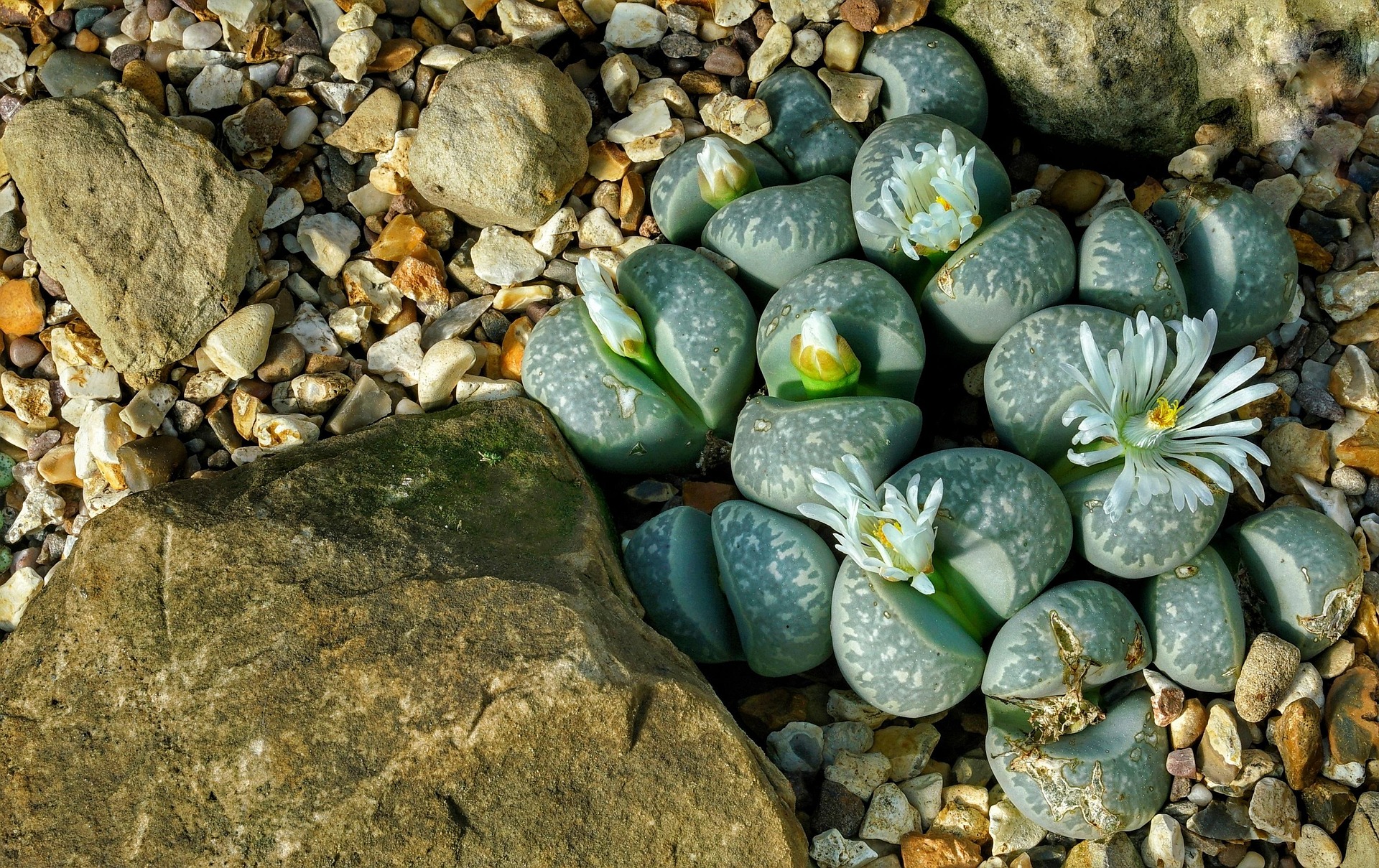
The best soil mix for Lithops (and why drainage matters)
A mineral mix that drains in seconds, not minutes. Specific components, ratios, and the principle behind the choices.
Photo: richardmc — Pixabay-Content-License
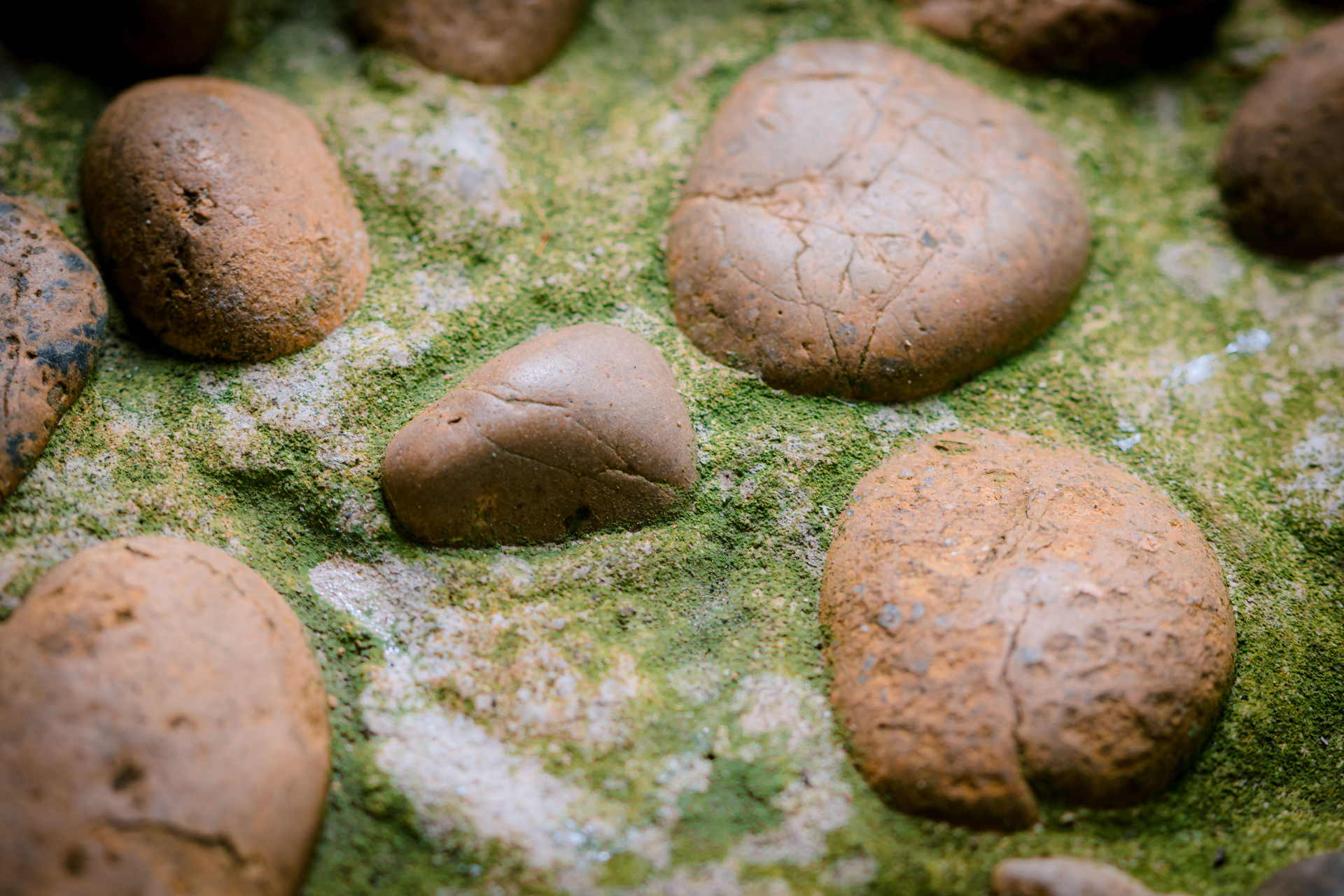
Why won't my Lithops flower?
Flowering requires three things: maturity, light, and a clean autumn growth window. Missing any one of them, and the plant skips a year.
Photo: Nguyen Tien Thanh — Pexels-License
Top-dressing for Lithops: quartz vs pumice vs lava rock
The three top-dressings most growers reach for, what each one actually does to surface temperature, evaporation, and stem rot risk.
Photo: richardmc — Pixabay-Content-License
Pot depth and root architecture: why Lithops need it deeper than you think
Lithops grow a long taproot and contractile roots that pull the body down into the substrate. Pot depth is not cosmetic — it determines whether the plant can do its job.
Photo: rayconser — Pixabay-Content-License
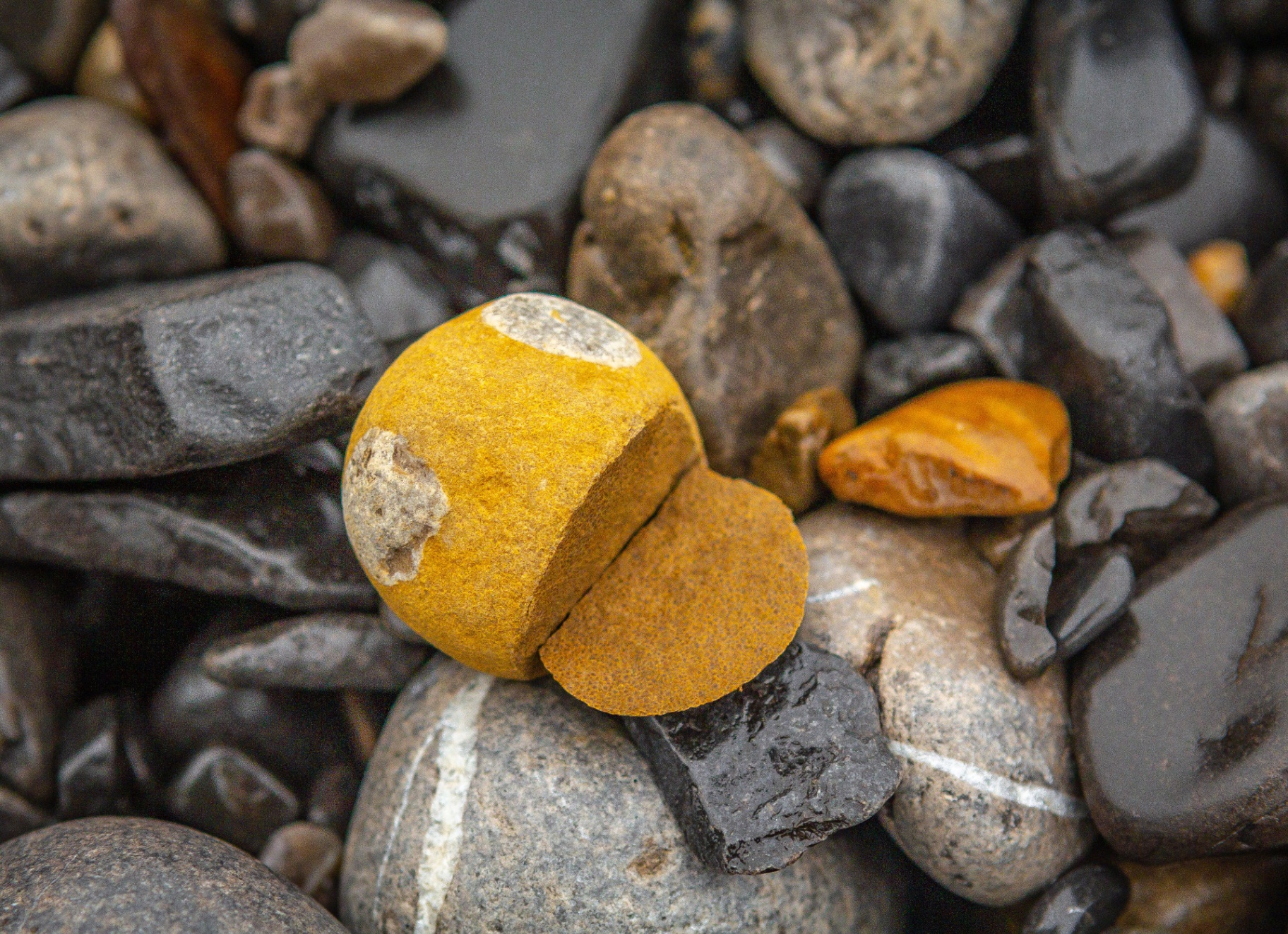
Repotting Lithops without breaking the dormancy cycle
When to repot, when not to, and exactly how to lift, clean, and reseat a Lithops so it picks up where it left off — not three months behind.
Photo: Photographer — Pexels-License
Tap water, rainwater, or distilled — does the water you use to water Lithops actually matter?
Mineral content, pH, and chloramine all affect how a Lithops responds to watering. Here is what matters and what you can stop worrying about.
Photo: hartonosbg — Pexels-License
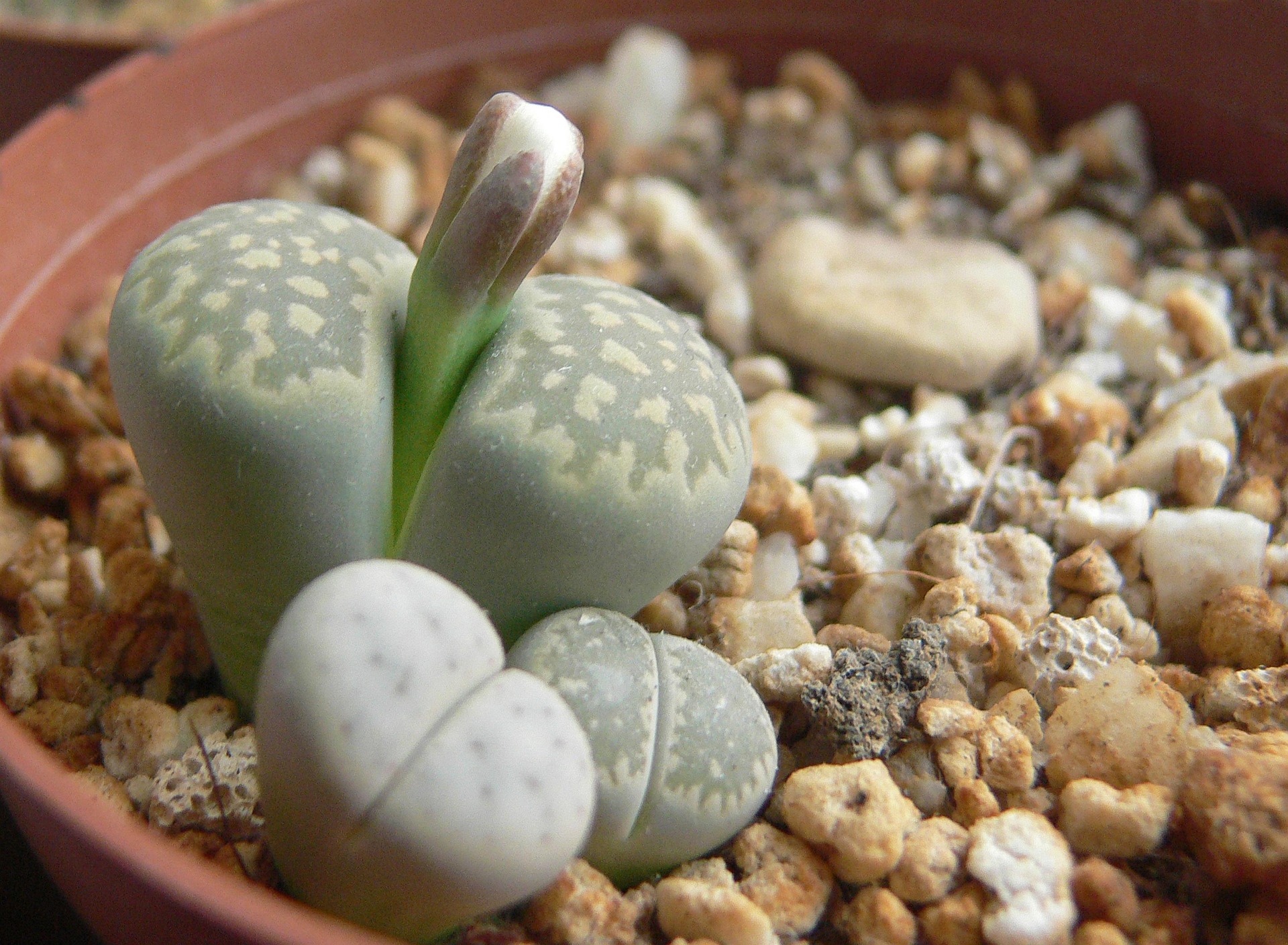
Bottom watering vs top watering Lithops
Both methods work. Each has a failure mode. The right choice depends on your substrate, your pot, and which mistake you are more likely to make.
Photo: divotomezove — Pixabay-Content-License
Acclimating nursery Lithops to full sun without scorching them
Most nursery plants arrive shade-grown. Putting them straight into full midday sun is the single most common way new growers cook a Lithops in week one.
Photo: sweetlouise — Pixabay-Content-License
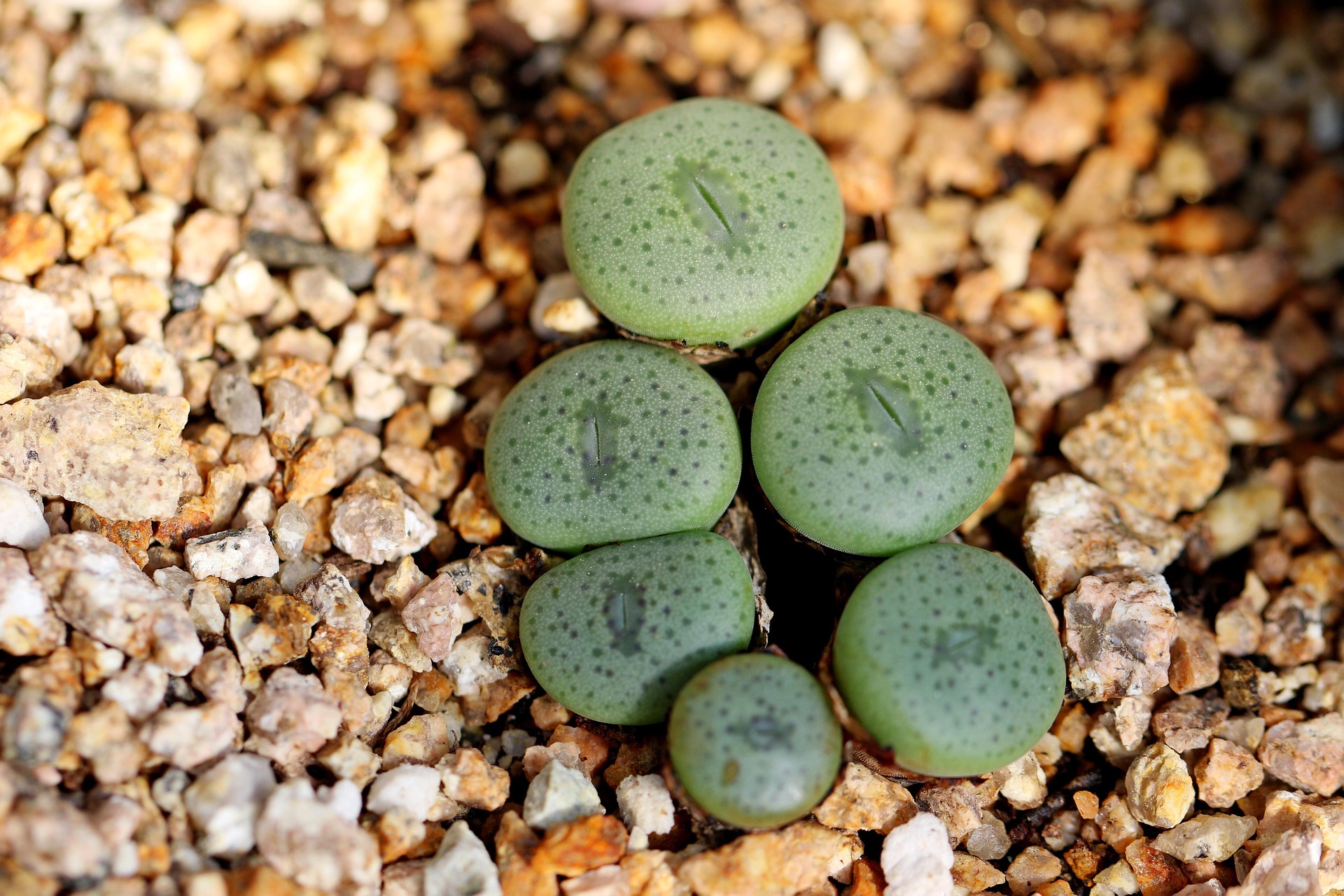
Grow lights for Lithops: PAR, DLI, and spectrum
What 'enough light' actually means for indoor Lithops, in numbers you can measure rather than rules of thumb that fall apart in winter.
Photo: manseok_kim — Pixabay-Content-License
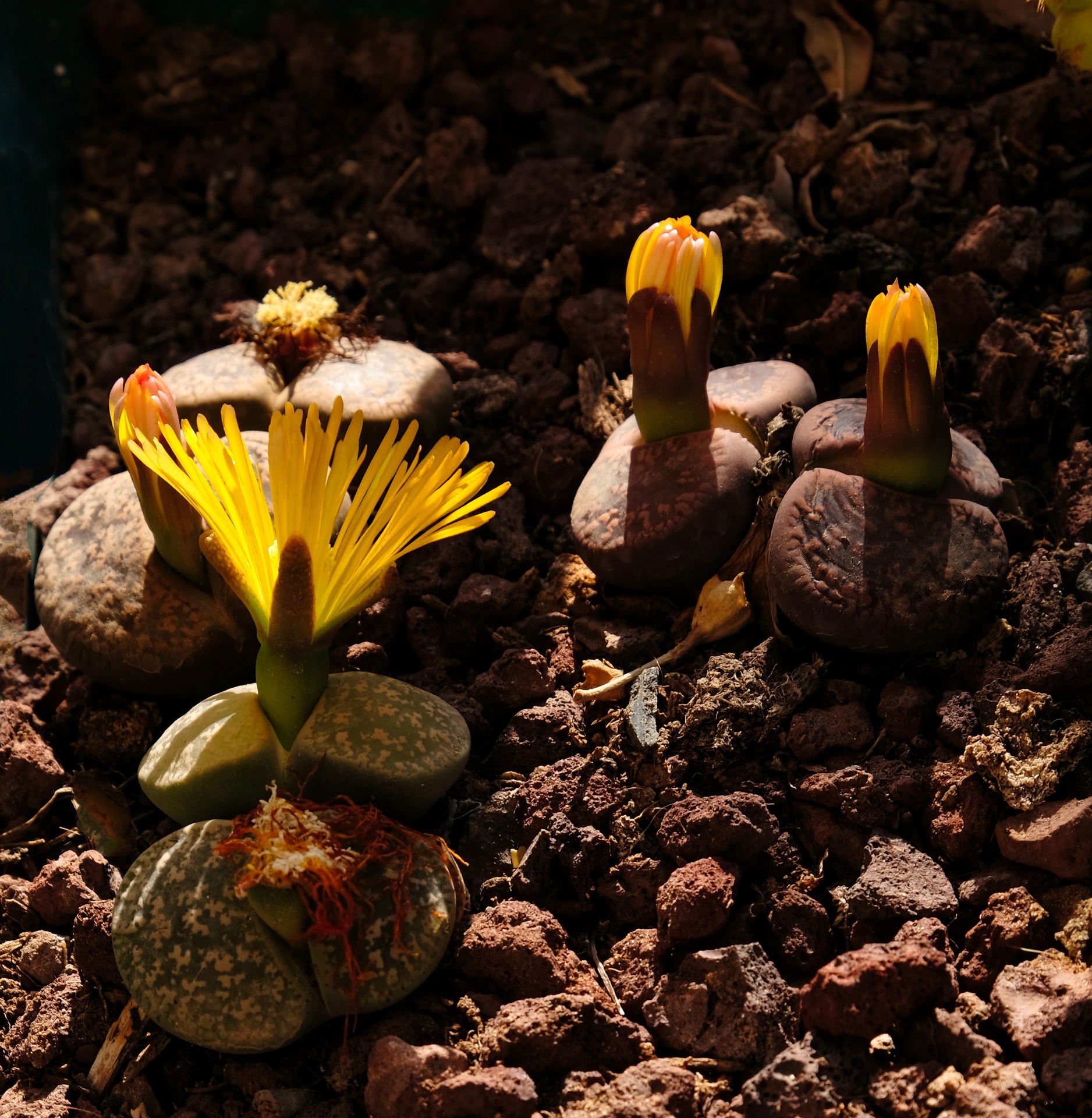
Fertilizing Lithops: when, how little, and why
Lithops do not need fertiliser to survive. They do benefit from a tiny, well-timed dose once a year. Everything else is too much.
Photo: derevv — Pixabay-Content-License
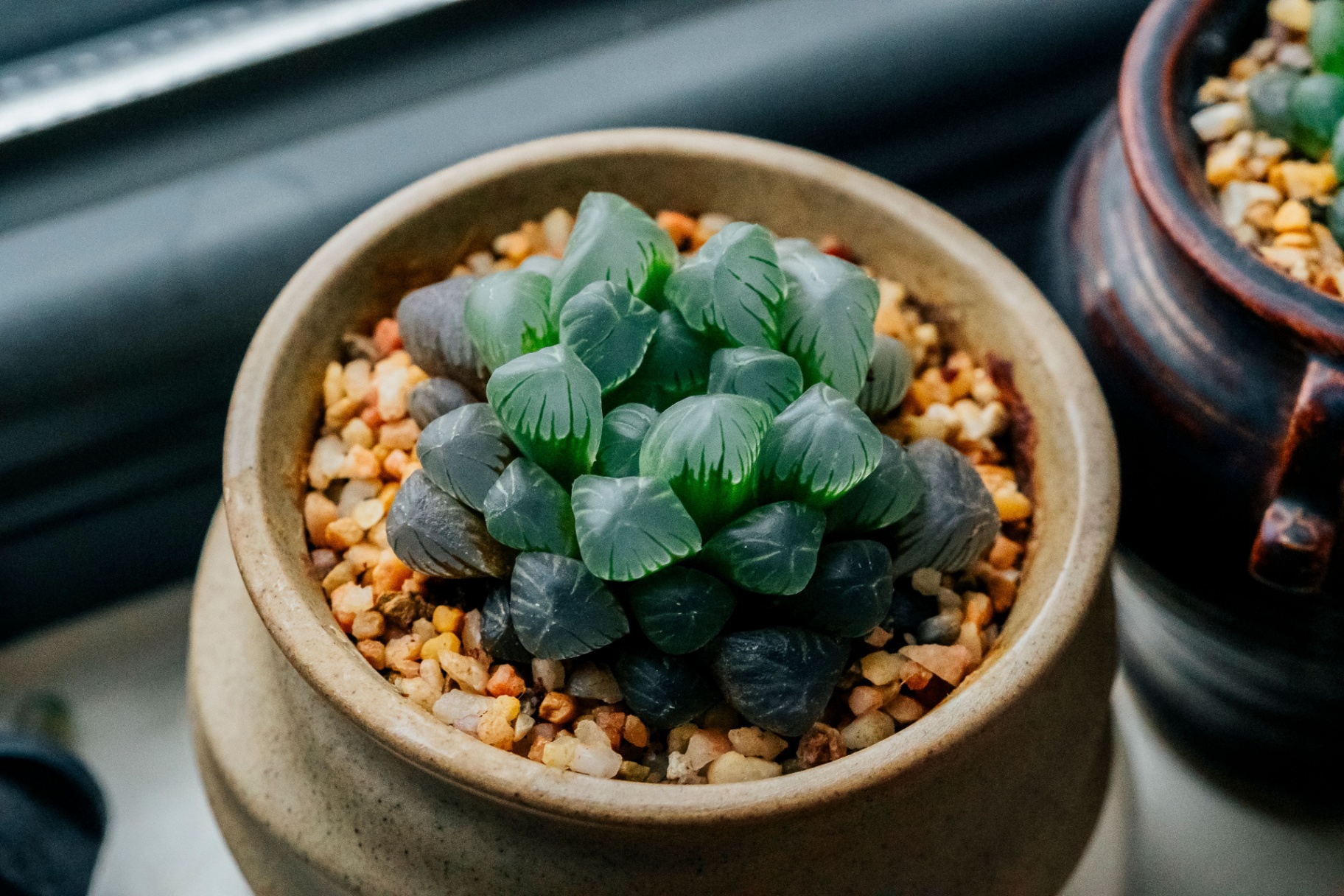
Growing Lithops from seed: a month-by-month protocol
Seed-grown Lithops are slow but unbeatable for variety and price. Here is what to expect, month by month, for the first two years.
Photo: Rui Wang — Pexels-License
Overwintering Lithops in cold, humid climates
If you live somewhere with cold, grey, damp winters, the standard advice ('keep dry, give bright light') needs adapting. Here is how.
Photo: akuptsova — Pixabay-Content-License
Summer survival for Lithops in tropical and subtropical climates
If your summer is hot, humid, and rainy, Lithops are at maximum risk. They are not unkeepable — but the conditions push every safety margin.
Photo: Giulia Caico — Pexels-License
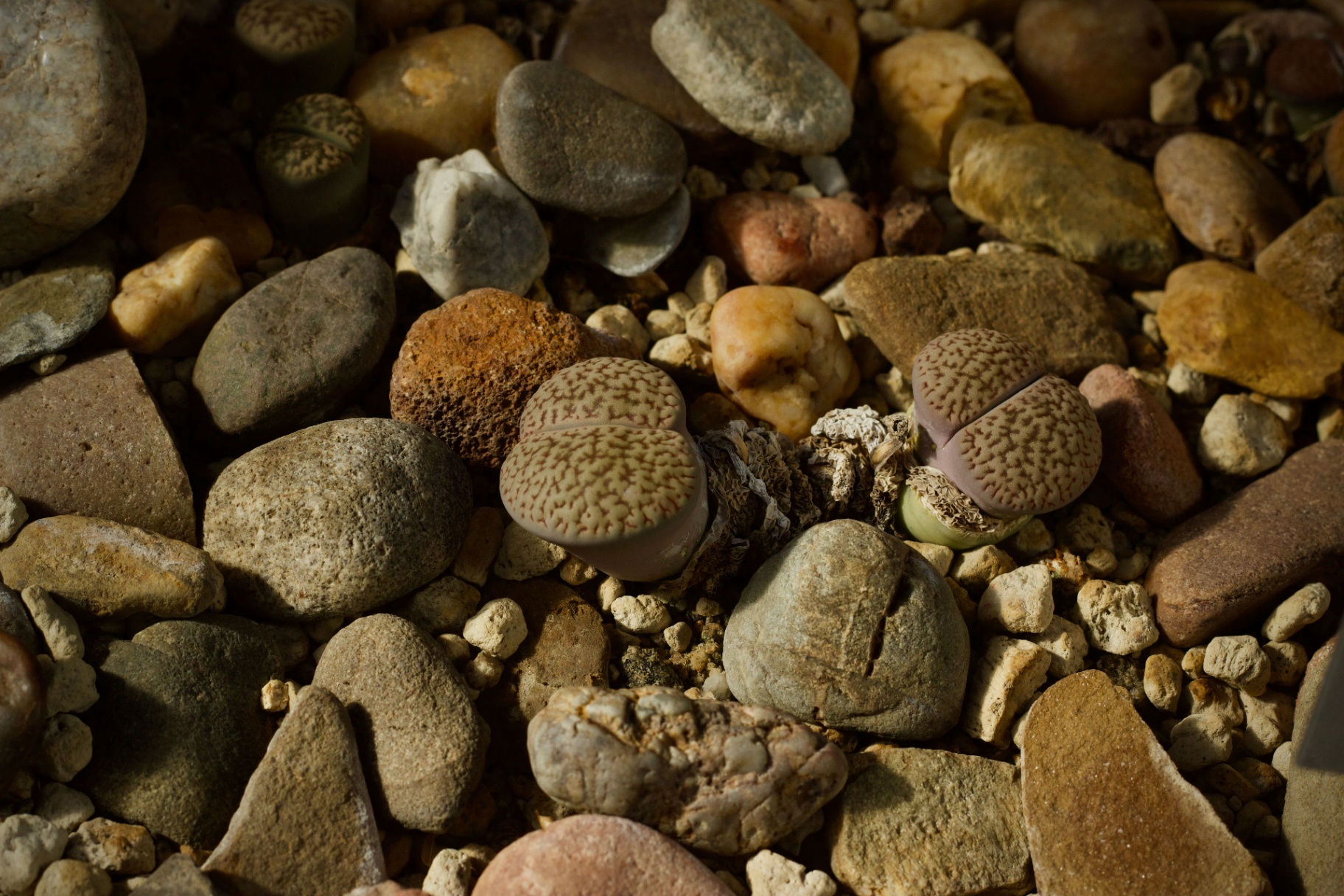
Mealybugs, fungus gnats, and root rot: the three problems that actually kill Lithops
How to spot each one early, what to use, and why most spray products that work on houseplants are wrong for Lithops.
Photo: Peter Dyllong — Pexels-License