Identification & Diagnosis
Lithops splitting at the wrong time: what irregular splitting means
Off-season splits, double splits, and unequal pairs all have specific causes — usually involving water and light at the wrong moment.
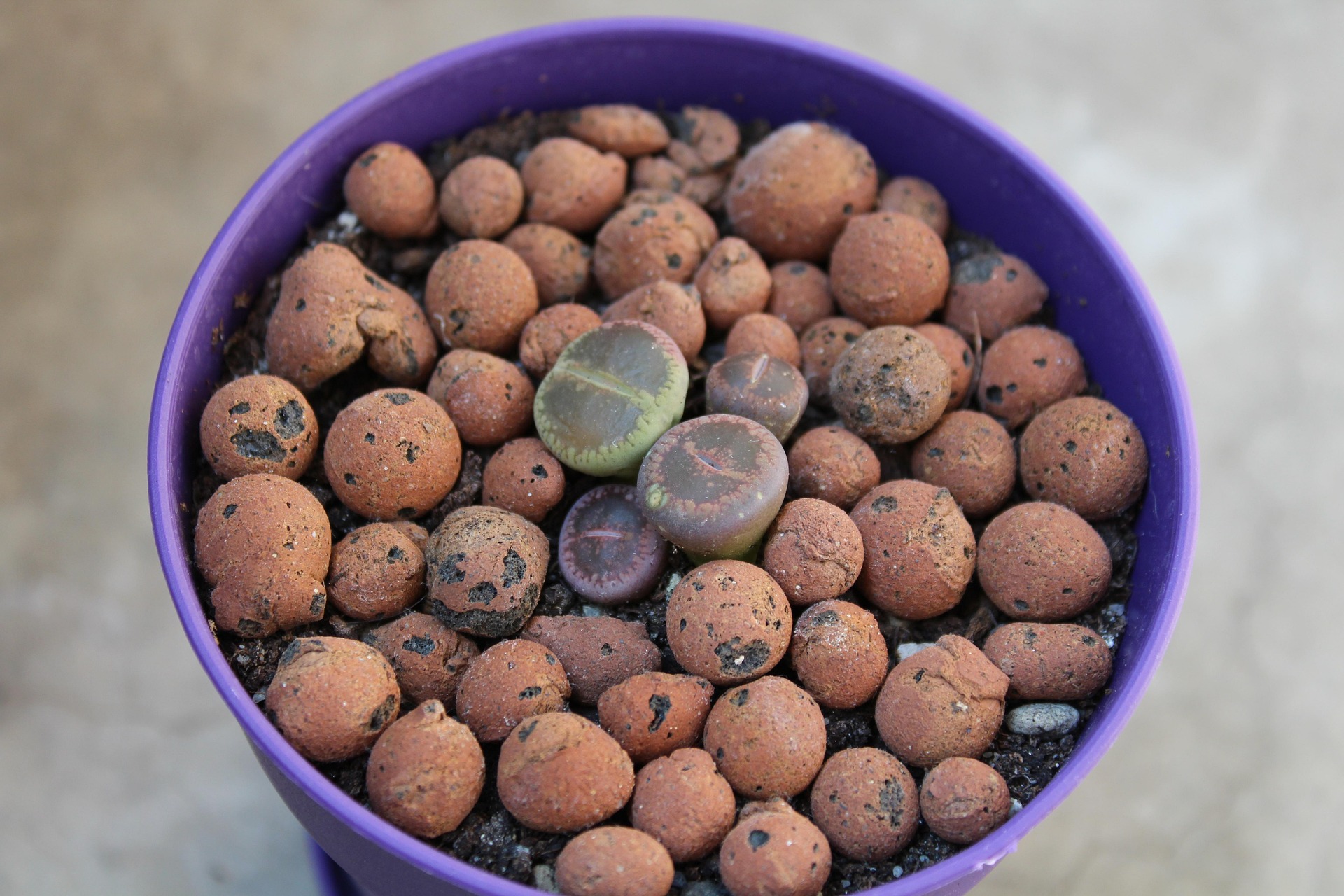
What a normal split looks like
In cultivation, most Lithops split once per year in late winter into early spring. A fresh seam appears along the central cleft of the existing leaf pair. Over several weeks the old leaves soften and shrink while the new pair expands inside the old skin, eventually pushing the spent outer leaves aside as dry papery flakes. The plant emerges with a single, slightly larger leaf pair facing the same axis as the previous one.
Anything that deviates from this pattern — splits in summer or autumn, two pairs emerging at once, lopsided pairs where one new leaf is much larger than the other — is the plant responding to a stressor or to a mismatch between the conditions it experienced and the conditions it would experience in habitat.
Off-season splits: usually a water/light mismatch
A Lithops that splits in late summer or autumn (in the northern hemisphere) was almost always watered late into the heat or kept under low light through what should have been its bright dormancy. The plant's internal clock is set by a combination of day length, temperature, and water availability. Watering in midsummer signals 'growing season', which the plant then attempts to enter — often by forming a second leaf pair out of cycle.
Off-season splits frequently produce undersized or distorted new leaves, and they leave the plant exhausted going into the actual molt window in spring. The fix is to respect the dormancy cycle: keep the plant dry and bright through its hot dormancy, even if the body shrivels slightly. The wrinkling will resolve at the proper time.
Doubling: two new pairs from one head
Sometimes a single head produces two new leaf pairs perpendicular to each other rather than one replacement pair aligned with the old. This is called doubling, and over years it's how a Lithops clump grows from one head into many. A small amount of doubling on established plants is normal and desirable — it's how you build a mature clump.
Excessive doubling, where a young plant produces two or three new pairs from every head every year, points to over-fertilization or rich substrate. Lithops in habitat grow in mineral soils with almost no organic content. Push them with nutrients and they will spend the surplus on extra leaf pairs at the cost of stable proportions and patterning. Switch to a leaner mix, stop any fertilizing, and the plant will return to a normal pace within one cycle.
Stacking: new leaves on top of old
Stacking is when the new leaves emerge but the old leaves fail to dry up and release. The result is a layered plant with shriveled but persistent old leaves wrapped around a new growing pair, often holding moisture in the cleft.
Stacking is almost always caused by watering during the molt. The water keeps the old leaves alive past their natural senescence, and they refuse to give up the body cavity to the new pair. In mild cases, the old leaves dry out late and can be peeled away carefully once they go fully papery. In severe cases, the trapped moisture rots the cleft and the plant fails. Prevention is simple: no water from the first sign of split until the new leaves are fully expanded.
Lopsided splits and undersized pairs
A new leaf pair where one leaf is noticeably larger than the other usually reflects uneven light during the months before the split. The smaller leaf is the one that was shaded — either by a neighbor, by being on the wrong side of a window, or by partial shade across the pot. Rotating the pot a quarter turn weekly during the growing season prevents this.
Undersized new pairs (clearly smaller than the leaves they replaced) signal that the plant didn't accumulate enough reserves the previous growing season. Causes include insufficient light, late dormancy that ran into the growing window, or chronic underwatering during active growth. The plant will need a full growing season at proper conditions to recover its previous size.
What to do (and what to skip)
Resist the urge to intervene during an irregular split. Don't peel the old skin off prematurely, don't water to 'help' a stuck molt, and don't repot a struggling plant mid-cycle. The single most useful action is to identify the cause and correct it for the next cycle: adjust your watering calendar, increase light, switch to leaner substrate, or rotate the pot. The current cycle will end as it ends; the next one is where the change shows up.
Frequently asked questions
- My Lithops split in October. Is the plant going to die?
- No. Off-cycle splits weaken the plant going into the proper molt window but rarely kill it. Withhold water, give it bright light, and let it complete the cycle.
- Should I cut off old leaves that won't release?
- Only if they are fully dry and papery. Pulling on still-juicy old leaves can damage the new pair. If a leaf is stuck and moist, leave it alone and reduce watering — it should dry out and release on its own.
- Is doubling good or bad?
- On a mature plant, doubling builds clumps and is desirable. On a young plant under three years old, frequent doubling suggests substrate too rich or fertilizer use. Lean out the mix.
- Why did my plant produce a tiny new pair this year?
- Insufficient light or undernourishment in the previous growing season. Move to brighter conditions and resume the proper watering cycle; the next pair should be normal size.
Keep reading
Written by the Editorial Team. Spotted an error or want to add a regional note? Send corrections or apply to contribute.