Identification & Diagnosis
Cultivars vs species: what 'Albinica', 'Rubra', and other quoted names mean
A name in single quotes is not a botanical rank. Knowing the difference between a cultivar and a wild form prevents the most common Lithops labelling mistakes.
The grammar of plant names
Italicised binomials like Lithops karasmontana are species. Subspecies, varieties, and forms — also italicised — are wild taxonomic ranks within a species.
A name in single quotes (' ') is a cultivar — a horticultural selection maintained by propagation, usually because it has a distinctive feature worth preserving. Lithops karasmontana 'Top Red' is a cultivar; Lithops karasmontana var. lericheana is a wild variety.
What 'Albinica' actually is
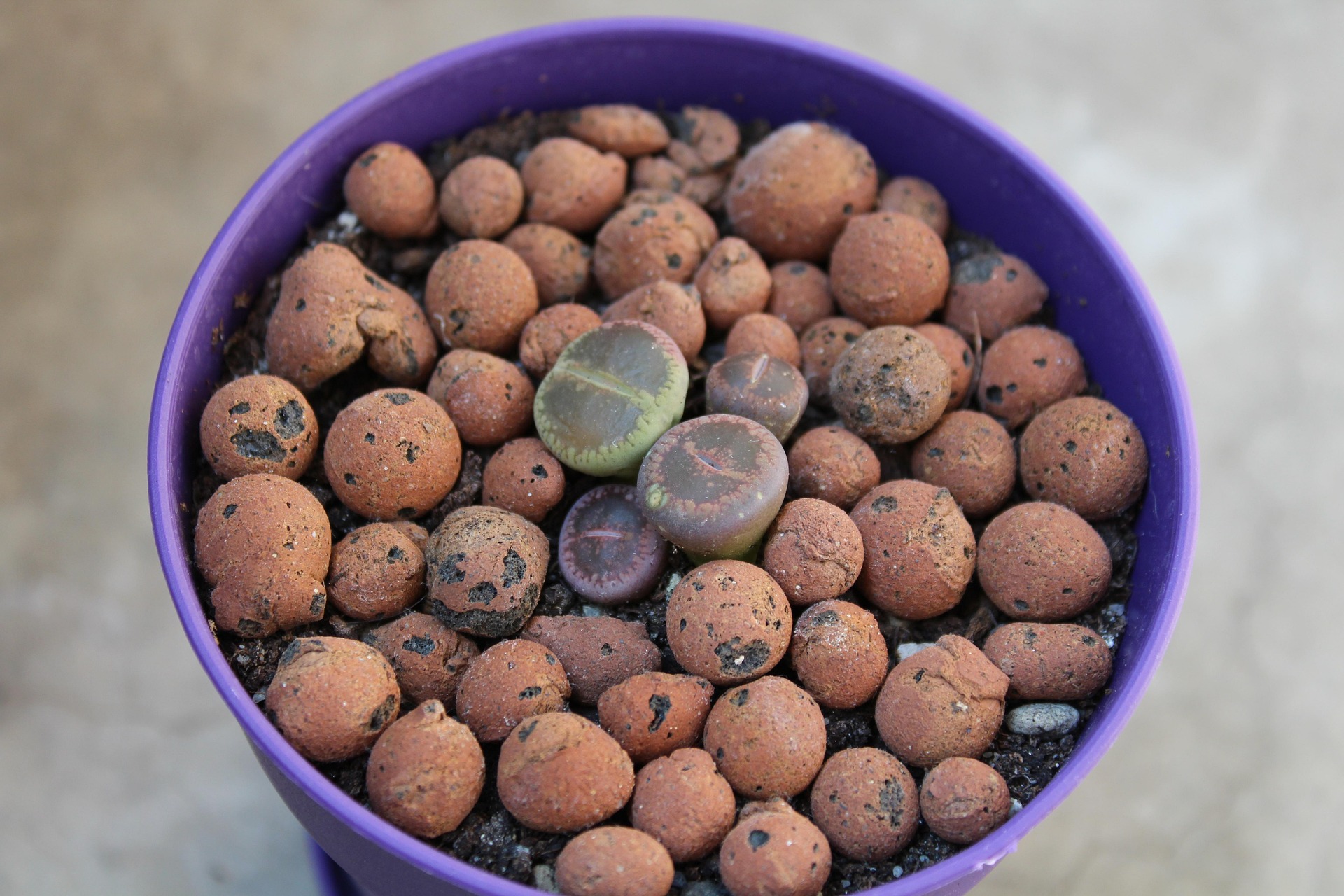
'Albinica' applied to Lithops refers to selected pale or white-fruited forms, most famously Lithops karasmontana 'Albinica' and Lithops julii 'Fulleri Albinica'. These plants lack red pigmentation in the window markings and instead show clean grey or green patterning on a chalk-white body. They are propagated to maintain the trait, not collected as a wild taxon.
What 'Rubra' actually is
'Rubra' refers to red-pigmented selections — most famously Lithops optica 'Rubra'. The mother plant is a single nursery selection (originating in California in the early 20th century) propagated for decades as cuttings and seed to maintain the deep ruby colour. It is a cultivar, not a wild form, and seed-grown plants segregate readily back toward type green.
Practical implications
Buying a 'Rubra' from seed is risky; only a fraction will breed true. Buying from documented division stock is reliable. Either way, the quoted name describes a horticultural lineage, not a wild population — do not record it on the same line as a C-number unless the C-number is the cultivar's documented origin.
Frequently asked questions
- Are cultivars less interesting?
- Different, not lesser. They preserve specific traits that may be rare or absent in wild populations.
- Can I make my own cultivar?
- If you select and stabilise an unusual form across generations, yes — and the ICN allows you to register a name.
- Is 'Lithops bromfieldii var. insularis Sulphurea' a cultivar?
- No — it is a wild variety with an internal nickname for a sulphur-yellow population. The italics matter.
Keep reading
Written by the Editorial Team. Spotted an error or want to add a regional note? Send corrections or apply to contribute.